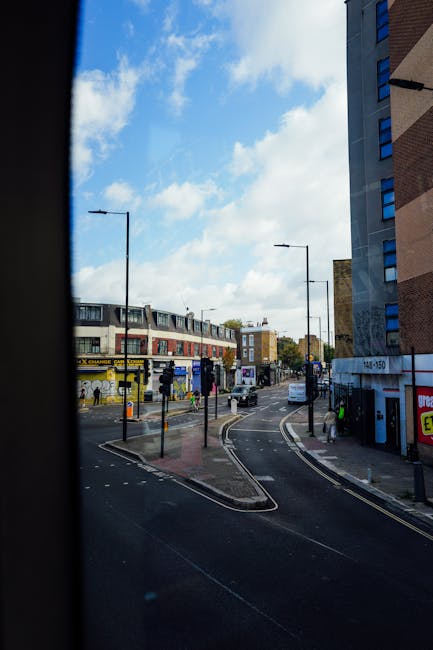
Blackstock Road flat removals in Finsbury Park explained
If you are moving out of a flat on Blackstock Road, the job can feel simple on paper and then turn surprisingly fiddly in real life. Tight stairwells, parked cars, awkward sofa corners, neighbours coming and going, and a schedule that suddenly gets very short... it all adds up. This guide to Blackstock Road flat removals in Finsbury Park explained walks you through what the process really looks like, why local knowledge matters, and how to avoid the small mistakes that turn a moving day into a long one.
Whether you are a tenant ending a lease, a first-time buyer shifting into a new place, or just moving a few floors down the road, the aim is the same: keep the move calm, organised, and safe. We will cover the practical steps, the benefits of using a local service, the usual risks, and the options that make sense when space is tight or timing is awkward. Not glamorous. Just useful.
Expert summary: The best Blackstock Road flat move is usually the one that is planned around access, parking, packing quality, and the reality of flat living in North London. Get those four things right and everything else gets easier.
Why Blackstock Road flat removals in Finsbury Park explained matters
Blackstock Road sits in a part of London where flat living is common and moving logistics can be a bit unforgiving. Many homes are in converted buildings, purpose-built blocks, or compact terraces with limited loading space. That means the success of the move depends on more than a van turning up on time.
To be fair, most people do not think about access until the day itself. Then they discover the lift is too small, the stairwell has a tight bend, or the parking spot they hoped for is already taken. In an area like Finsbury Park, those details matter because they affect how long the move takes, how many people are needed, and whether furniture can be carried safely without damage.
It also matters because a flat move is rarely just about transport. There is often packing, disassembly, protective wrapping, carry distance, and sometimes temporary storage to consider. If you are moving between rentals, or if your new place is not ready yet, that final point can be the difference between a stressed-out weekend and a much cleaner handover. Services such as removals and flat removals are built around that sort of reality.
There is also the local factor. Blackstock Road is not a sleepy rural lane where a van can stop anywhere. Timing, vehicle size, and the sequence of loading matter. A well-run move here respects neighbours, avoids blocking entrances, and keeps the whole operation moving without becoming a nuisance. Small thing? Maybe. But it changes the day.
How Blackstock Road flat removals in Finsbury Park explained works
Most flat removals follow the same broad pattern, but the details are what make them work. The process usually begins with an assessment of what is being moved, where it is coming from, and what the access looks like at both ends. That means stairs, lifts, parking, loading distance, and whether any fragile or bulky items need special handling.
From there, the move is usually broken into stages:
- Survey or quote stage: You explain the inventory, access issues, timing, and any extras such as packing or storage.
- Preparation stage: Boxes are packed, furniture is disassembled if needed, and items are labelled by room or priority.
- Loading stage: Movers bring items out in a sensible order so heavy and awkward pieces are not trapped behind small boxes.
- Transport stage: The vehicle is driven to the new address, often with a route chosen to reduce delays and awkward turns.
- Unloading stage: Furniture and boxes are placed into the correct rooms, which saves you endless shuffling later.
In practice, the most efficient flat removals are the ones where the movers know what they are walking into. A fourth-floor flat with no lift is not the same as a ground-floor studio, and everyone knows it. If you need help with the packing side, packing services can reduce the number of loose ends on moving day, which is often where the time disappears.
For smaller moves, or if you only have a few items to move from one flat to another, a lighter option may be enough. That is where small removals or a man and van service can make more sense than a full-scale move. The key is matching the service to the job rather than overspending on capacity you do not need.
Key benefits and practical advantages
The obvious benefit is convenience. The less obvious benefit is control. When a flat move is handled properly, you are not improvising with a borrowed hatchback, a friend's bad back, and a roll of old blankets. You are using a method designed for the job.
Some of the main advantages include:
- Less physical strain: Carrying wardrobes, beds, and boxes down staircases is exactly as awkward as it sounds.
- Better protection for furniture: Professional handling reduces scrapes, bent legs, chipped paint, and damaged corners.
- More predictable timing: A planned route and a clear loading order save time, especially on busy local streets.
- Improved coordination: You can align movers, keys, cleaners, and handover times without everything colliding at once.
- Reduced stress: This one sounds vague, but it is real. A tidy move feels very different from a frantic one.
There is also flexibility. Sometimes the best move is not direct from one flat to another. Maybe your new tenancy starts next week. Maybe you are downsizing and need a pause between properties. In those cases, removals and storage or short-term storage can keep your belongings safe without making the move feel rushed.
And yes, it can even help with the emotional side of moving. Anyone who has packed up a kitchen at 9pm knows that the last box of mugs is never just a box of mugs. It is a small battle. A decent plan makes that battle shorter.
Who this is for and when it makes sense
Blackstock Road flat removals are a good fit for a wide range of people, but they are especially useful if your move has any of the following features:
- You live in a flat with stairs, limited lift access, or narrow corridors.
- You are moving in or out of a rental with a fixed handover time.
- You have furniture that needs careful wrapping or partial disassembly.
- You are moving between nearby streets and want a local crew that understands the area.
- You need storage before, during, or after the move.
Students often need this sort of support too, especially when tenancy dates do not line up neatly with term time or travel plans. In those cases, student storage can be a practical bridge rather than paying to transport items back and forth.
For people moving into larger homes, the conversation often shifts into longer-term planning. If you are leaving a flat for a house and taking more furniture with you, house removals may be relevant. If you are simply shifting between local addresses, local removals can be the cleaner choice.
Business owners are a slightly different case, but not that different. If you are running a small office from a flat or a mixed-use property, office items, files, and equipment may need a separate plan. office removals and document storage may be useful if you need to keep records or equipment secure while moving.
Step-by-step guidance
If you want the move to feel manageable, break it into steps. This sounds basic, but basic is often what saves the day.
1. Make a realistic inventory
Walk through the flat and list what is actually moving. Not what you think is moving. What is really going. Include beds, white goods, sofas, mirrors, plants, and awkward items like bicycles or under-bed storage boxes. If something is too heavy for one person to carry safely, note it early.
2. Check access at both properties
Measure stair widths if needed, check lift availability, and look at the distance from the entrance to the vehicle loading point. On Blackstock Road, small access issues can have a bigger impact than expected because there may not be much room to manoeuvre. A few minutes of checking can save an hour later.
3. Decide whether packing support is needed
If your cupboards are full of mismatched boxes and half-used tape, it may be worth getting help. Proper packing is not just about speed; it protects breakables and makes unloading far easier. A box labelled "kitchen" is good. A box labelled "random stuff" is... less good. We have all done it.
4. Choose the right removal format
For a studio or one-bedroom flat, a man and van arrangement may be enough. For larger flats, or if there is more furniture and multiple trips, a fuller service may be wiser. The decision should be based on access, volume, and how much help you want on the day, not guesswork.
5. Confirm timing, parking, and handover details
Agree arrival times, loading order, and any access instructions in advance. If you are dealing with building management or a landlord, make sure keys, entry codes, and mover permissions are sorted before anyone turns up with a sofa blocking the pavement. That sort of thing happens. More than you might think.
6. Use storage if the dates do not line up
Sometimes the move is not linear. A sale may complete early, a tenancy may overlap, or decorating may run late. In those cases, self storage, secure storage, or long-term storage can keep your belongings safe until you are ready.
Expert tips for better results
A few small habits make a big difference. Nothing dramatic, just the stuff experienced movers tend to notice first.
- Keep one essentials box separate: Kettle, chargers, toiletries, medication, a change of clothes, tea bags. The ordinary things you will want immediately.
- Photograph cable setups before unplugging: It sounds fussy, but it saves time later, especially with TVs and desks.
- Use room labels consistently: Not one system for the bedroom and another for the kitchen. Pick a method and stick with it.
- Empty drawers where practical: It lightens items and makes carrying safer. A drawer full of books is a trap waiting politely.
- Wrap corners and glass properly: Mirrors, tabletops, and frames need a little extra care.
If you are comparing removal options, look beyond the headline price. Ask what is included, how many people will attend, whether furniture dismantling is available, and how problems are handled if access changes on the day. That last one is worth asking. Honestly, that one saves arguments.
You should also check how the company handles safety and insurance matters. A trustworthy provider should be clear about the basics, and the information should be easy to understand. Pages like insurance and safety, health and safety policy, and terms and conditions are good signs that the business takes the job seriously.
Common mistakes to avoid
Most moving-day headaches are preventable. The problem is that they look minor when you first make them.
- Underestimating volume: A flat always seems smaller once everything is boxed up. Always.
- Leaving packing to the night before: That is how fragile items get rushed and labels go missing.
- Ignoring parking or access: If the van cannot get close enough, the move becomes slower and more tiring.
- Failing to measure furniture: Sofas, wardrobes, and bed frames can be awkward in older properties.
- Assuming storage is only for "big moves": Sometimes a tiny amount of temporary storage is exactly what saves the plan.
Another common mistake is choosing a service without thinking about the type of property. Flat moves are not the same as standard house moves. If you need a broader domestic move later on, household storage and house removals may come into play, but for a Blackstock Road flat, the access details deserve the first look.
And a small one, but important: do not leave loose screws, shelf fittings, or TV brackets in a random drawer and assume someone will remember. They will not. Or they will, but only after the wall is already patched.
Tools, resources and recommendations
You do not need a mountain of equipment to get organised. A few sensible tools go a long way.
- Strong boxes: Use a mix of small and medium sizes so heavy items do not become impossible to lift.
- Packing tape and a tape gun: It speeds things up and seals boxes properly.
- Bubble wrap or paper padding: Useful for glassware, lamps, and fragile decor.
- Marker pens and labels: Keep room names readable from a distance.
- Furniture covers and blankets: Helpful for sofas, mattresses, and polished surfaces.
- Basic toolkit: Screwdrivers, Allen keys, and zip bags for fittings.
If you are using professional help, you may also want to review pricing and payment details before you commit. Clear information on pricing and quotes and payment and security helps avoid awkward surprises. Nobody enjoys a move that suddenly gets mysterious at invoice stage.
For people who need flexibility rather than pure transport, mobile self storage can be useful if items need to be collected and held while you sort out access or renovation timing. For businesses, office storage and business storage can keep equipment out of the way without cluttering the flat.
Law, compliance, standards, or best practice
For a flat removal, the main compliance issues are usually practical rather than legalistic. You want a mover that works safely, handles goods responsibly, and respects the property and neighbours. In the UK, good practice typically includes proper lifting methods, careful stacking, and clear communication about risk and liability.
If the building has shared entrances or communal areas, it is sensible to protect floors and walls and to avoid blocking fire exits. If parking is restricted, you may need to think ahead about loading access and any local restrictions. The precise rules can vary by street, building, and landlord, so it is wise to check details locally rather than assuming.
Insurance is another practical point. You do not need pages of jargon, but you do need to know what is covered, what is not, and what to do if something is damaged. That is why a clear insurance and safety overview is more than just a nice extra. It is part of choosing responsibly.
Recycling and waste handling also matter. When moving, people often uncover broken hangers, old packaging, or furniture they no longer want. It is better to plan for that early and separate reusable, recyclable, and disposal items properly. A thoughtful approach to recycling and sustainability is good practice and, frankly, just less messy.
Options, methods, or comparison table
Different move types suit different situations. Here is a simple comparison to help you decide.
| Option | Best for | Typical advantage | Watch out for |
|---|---|---|---|
| Man and van | Small to medium flat moves, short distances | Flexible and usually cost-conscious | May be less suitable for large or complex moves |
| Full removals service | Larger flats, multiple rooms, heavy furniture | More support, better for bigger jobs | Can be more than you need for a very small move |
| Removals and storage | Moves with date gaps, renovations, or downsizing | Reduces pressure when timings do not line up | Needs clear planning so items are labelled well |
| Self storage plus transport | People who want to pack and organise in stages | Good for flexibility and decluttering | Requires more personal coordination |
| Small removals | Studios, a few items, single-room moves | Efficient for lighter loads | Not ideal if furniture volume is underestimated |
In real life, the right option often changes depending on the week. If the flat is full but your new place is not ready, storage may be the smartest move. If you only have a sofa, bed, and boxes, a leaner service may be enough. Simple enough, but people overcomplicate it all the time.
Case study or real-world example
Here is a realistic example, with the names and small details kept general. A tenant in a two-bedroom flat near Blackstock Road needed to move on a Friday afternoon. The old tenancy ended that evening, but the new property was not accessible until the next morning. There was a sofa bed, dining chairs, several boxes of books, and a few fragile kitchen items. Nothing wildly unusual, but enough to cause a mess if handled badly.
The move worked best because it was broken into stages. First, the fragile items and essentials were packed separately. Second, the sofa bed was measured and checked for stair access before the team arrived. Third, the items that were not urgently needed went into short-term storage for one night. That meant the handover could happen cleanly, and the next morning the move into the new flat felt calm instead of rushed.
The useful lesson? The move was not smoother because there were fewer belongings. It was smoother because the awkward part was recognised early. That is usually how good removals work. Not magic. Just planning, a little patience, and the right sequence.
Practical checklist
Use this before moving day. It is short on purpose.
- Confirm moving date, arrival time, and contact details.
- Check stairs, lift access, and loading distance at both properties.
- Measure large furniture and note awkward corners.
- Label all boxes by room and priority.
- Pack an essentials box for the first 24 hours.
- Set aside valuables and important documents separately.
- Remove loose items from shelves, drawers, and appliances.
- Protect mirrors, artwork, and glass with suitable wrapping.
- Agree parking or loading arrangements in advance.
- Decide whether you need packing services, storage, or a lighter moving option.
- Read the provider's policies on terms and conditions and insurance and safety.
If you tick these off calmly, the move usually feels much more under control. Not perfect, maybe, but under control. And that counts.
Get a free quote today and see how much you can save.
Conclusion
Blackstock Road flat removals in Finsbury Park are really about understanding the shape of the move before the first box is lifted. The address, the access, the timings, the furniture, the parking, the storage needs - all of it influences how smooth the day feels. When those pieces are planned properly, the move becomes far less dramatic.
For some people, the right answer is a straightforward flat removal. For others, it is a combination of removals, packing help, and storage. There is no single perfect method. There is only the method that fits your flat, your timeline, and your energy level on the day.
If you treat the move as a series of small, manageable decisions, it stops feeling like a monster task. And honestly, that is often the win. One good box at a time.
Frequently Asked Questions
What makes Blackstock Road flat removals different from a normal house move?
Flat moves usually involve tighter access, shared entrances, staircases, lifts, and more limited parking or loading space. That means the planning is different. A house move may have easier access, while a flat move needs a sharper eye on timing and furniture handling.
How far in advance should I book a flat removal in Finsbury Park?
It is sensible to book as early as you can, especially if your date falls at the end of a month, during a weekend, or around school holidays. Those periods tend to be busy. Even if you are only moving a short distance, early planning gives you better options.
Is a man and van service enough for a Blackstock Road flat move?
Sometimes yes, especially for studios, one-bedroom flats, or lighter loads. If you have large furniture, awkward access, or several rooms' worth of items, a fuller removals service may be more appropriate. The right choice depends on volume, not just distance.
Do I need packing services for a flat removal?
Not always. But if you are short on time, have fragile items, or simply do not want the stress of packing everything yourself, it can be a very good idea. Many people find that professional packing saves time and reduces breakages.
What should I do if my move-out and move-in dates do not match?
That is where storage becomes useful. removals and storage or short-term storage can bridge the gap so you are not forced to rush or leave items in limbo.
How do I know if my furniture will fit through the stairwell?
Measure the widest points of the item and compare them with the narrowest parts of the route, including bends and door frames. If in doubt, take photos and share them with the mover. It is much better to check beforehand than discover the problem on the landing.
Are there any special risks with moving on Blackstock Road?
The main risks are usually practical ones: parking, access, shared building spaces, and timing. In an urban area, those issues can slow a move down if they are not planned for. None of it is unusual, but it does need attention.
What should I pack in my essentials box?
Keep the first-day items separate: phone chargers, toiletries, medication, tea or coffee, a few snacks, toilet paper, basic cleaning wipes, and a change of clothes. If you have children or pets, include anything they will need straight away too.
How can I reduce the cost of a flat removal?
Reduce the number of items, pack efficiently, disassemble furniture where appropriate, and make access easy for the movers. Clear parking arrangements and good labelling also help. The more straightforward the job, the less time it usually takes.
Should I choose self storage or long-term storage?
Use self storage when you need flexibility and easy access. Use long-term storage when items will be stored for a longer period and you do not need them regularly. It really comes down to how often you expect to visit the items.
How do I make sure my belongings are protected during the move?
Use strong boxes, wrap fragile items properly, secure loose parts, and choose a provider that explains its safety and insurance approach clearly. That way you are not guessing. You know what has been planned, and that brings peace of mind.
Where can I find more information about the company and its policies?
You can review pages such as about us, insurance and safety, and recycling and sustainability to understand how the service is run and what standards it follows.
Moving is rarely anyone's favourite day, but with the right plan it does become manageable - and sometimes, surprisingly, neat.